Bleeding Gums Every Time You Brush? Here's What It Means
This is a subtitle for your new post
Have you noticed blood in the sink every time you brush or floss your teeth? Many people assume it's normal or simply the result of brushing too hard. In reality, bleeding gums are often one of the earliest warning signs that your gums need attention. Fortunately, catching the problem early can help prevent more serious dental issues down the road.
At River's Bend Dentistry, we often see patients who delayed treatment because they thought occasional bleeding wasn't a big deal. The good news is that healthy gums shouldn't bleed regularly, and most causes are highly treatable when addressed early.
The Most Common Cause: Gingivitis
The leading cause of bleeding gums is gingivitis, the earliest stage of gum disease.
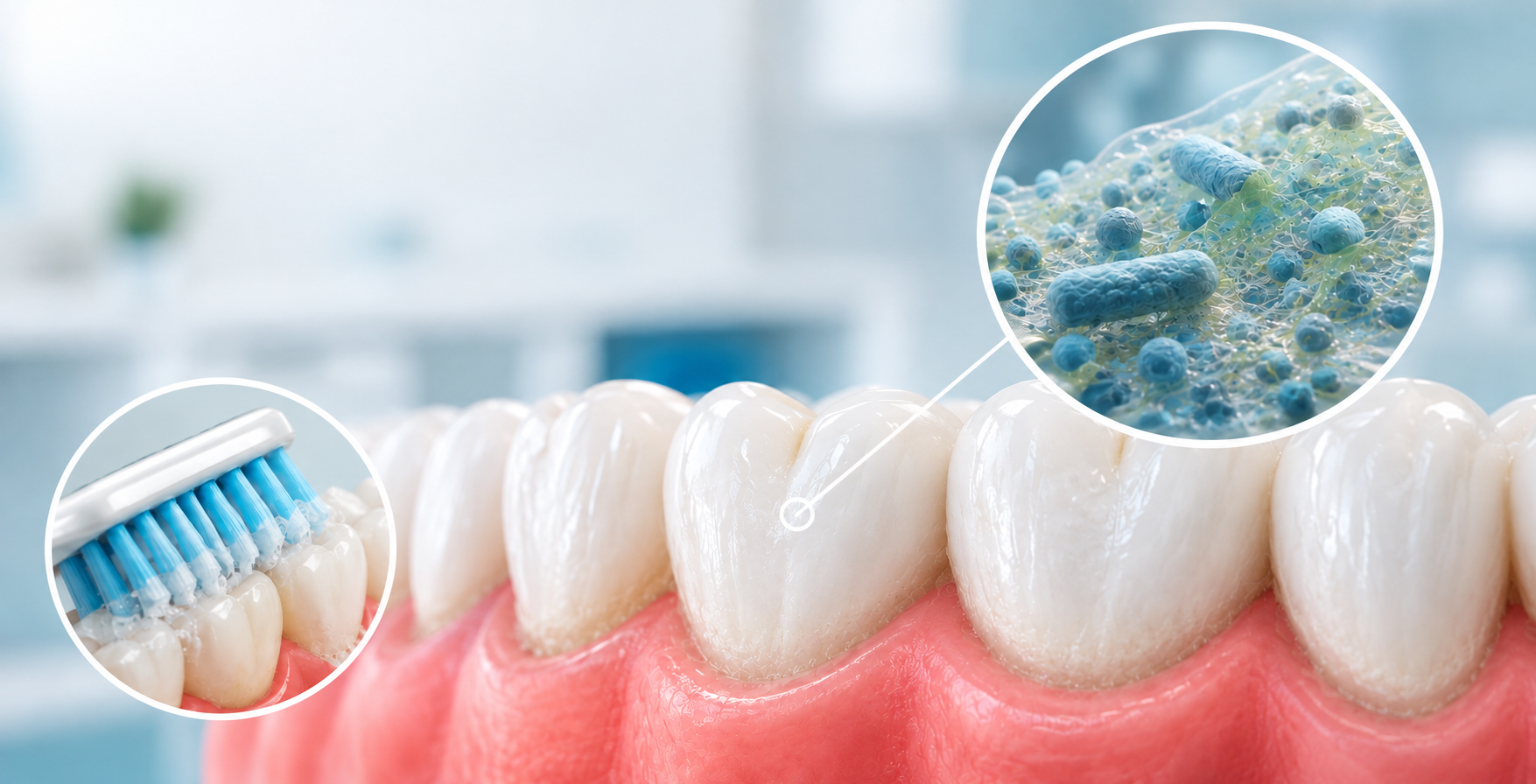
Throughout the day, a sticky film of bacteria called plaque forms on your teeth and along your gumline. If plaque isn't thoroughly removed through daily brushing, flossing, and routine professional cleanings, it begins to irritate the gum tissue.
Early signs of gingivitis include:
- Bleeding while brushing or flossing
- Red, swollen, or tender gums
- Persistent bad breath
- Gums that appear puffy instead of firm
The good news is that gingivitis is completely reversible with professional dental care and improved oral hygiene habits.
Could You Be Brushing Too Hard?
While aggressive brushing can occasionally irritate your gums, it's usually not the primary reason they bleed consistently.
In fact, many patients stop brushing the areas that bleed because they're afraid they'll make it worse. Unfortunately, avoiding those areas allows more plaque and bacteria to accumulate, causing even greater inflammation.
Using a soft-bristled toothbrush and gentle circular motions is the best way to clean your teeth while protecting your gums.
Don't Forget to Floss
If your gums bleed every time you floss, don't assume flossing is causing the problem.
More often, the bleeding is caused by inflammation that's already present between your teeth. As your gums become healthier through consistent daily flossing and regular cleanings, the bleeding often decreases significantly or stops altogether.
When Bleeding Gums Become More Serious
If gingivitis isn't treated, it can progress into periodontal disease, also known as gum disease.
At this stage, the infection begins affecting the tissues and bone supporting your teeth. Left untreated, periodontal disease can lead to:
- Receding gums
- Loose teeth
- Bone loss
- Chronic bad breath
- Tooth loss
Because gum disease often progresses with little pain, bleeding gums may be one of the first noticeable symptoms.
Other Possible Causes
Although plaque buildup is the most common cause, bleeding gums can also be associated with:
- Hormonal changes during pregnancy
- Certain medications, including blood thinners
- Vitamin deficiencies
- Tobacco use
- Ill-fitting dental appliances
- Certain medical conditions
A comprehensive dental examination can help determine the underlying cause and the most appropriate treatment.
How to Keep Your Gums Healthy
Maintaining healthy gums starts with consistent preventive care.
Simple habits can make a tremendous difference:
- Brush twice each day using a soft-bristled toothbrush.
- Floss daily to remove plaque between teeth.
- Schedule professional cleanings every six months.
- Eat a balanced diet that supports oral health.
- Avoid tobacco products.
- Don't ignore bleeding, swelling, or tenderness.
These small daily steps help protect not only your gums but your overall health as well.
When Should You See a Dentist?
If your gums bleed every time you brush or floss, or if the bleeding continues for more than a few days, it's time to schedule a dental evaluation. Early treatment is almost always simpler, more comfortable, and less expensive than waiting until gum disease becomes more advanced.
At River's Bend Dentistry, Dr. Paola Eagles and our caring team provide gentle, comprehensive dental care to help patients throughout Chester maintain healthy smiles for life. Whether you need a routine cleaning, periodontal evaluation, or simply have questions about your oral health, we're here to help. Healthy gums don't bleed every day. If yours do, don't ignore the signs. Taking action today can protect your smile for years to come.