What Is Dental Biofilm—and Why Does It Matter for Your Oral Health?
This is a subtitle for your new post
You brush your teeth every day and probably know that plaque can lead to cavities and gum disease. But there’s another term you may hear at the dentist: biofilm. While it sounds complicated, dental biofilm is something that forms naturally in everyone’s mouth—and keeping it under control is an important part of maintaining a healthy smile.
At River’s Bend Family Dentistry in Chester, VA, we believe understanding what’s happening in your mouth can make it easier to protect your teeth and gums.
What Is Dental Biofilm?
Dental biofilm is a thin, sticky layer of microorganisms that continuously forms on the surfaces inside your mouth, including your teeth, gums and tongue. In simple terms, the plaque you feel building up on your teeth is a type of biofilm.
Because bacteria within biofilm stick together and attach to tooth surfaces, they can be more difficult to remove than bacteria simply floating around in your mouth. That’s one reason why rinsing alone isn’t enough. Regular brushing and cleaning between your teeth are necessary to physically disrupt and remove the buildup.
Why Can Biofilm Become a Problem?
Not all bacteria in your mouth are harmful. In fact, your mouth naturally contains hundreds of different types of microorganisms. Problems can develop, however, when harmful bacteria become too abundant or biofilm is allowed to accumulate.
As bacteria feed on sugars and carbohydrates from the foods and drinks you consume, they can produce acids that attack tooth enamel. Over time, this can contribute to tooth decay and cavities.
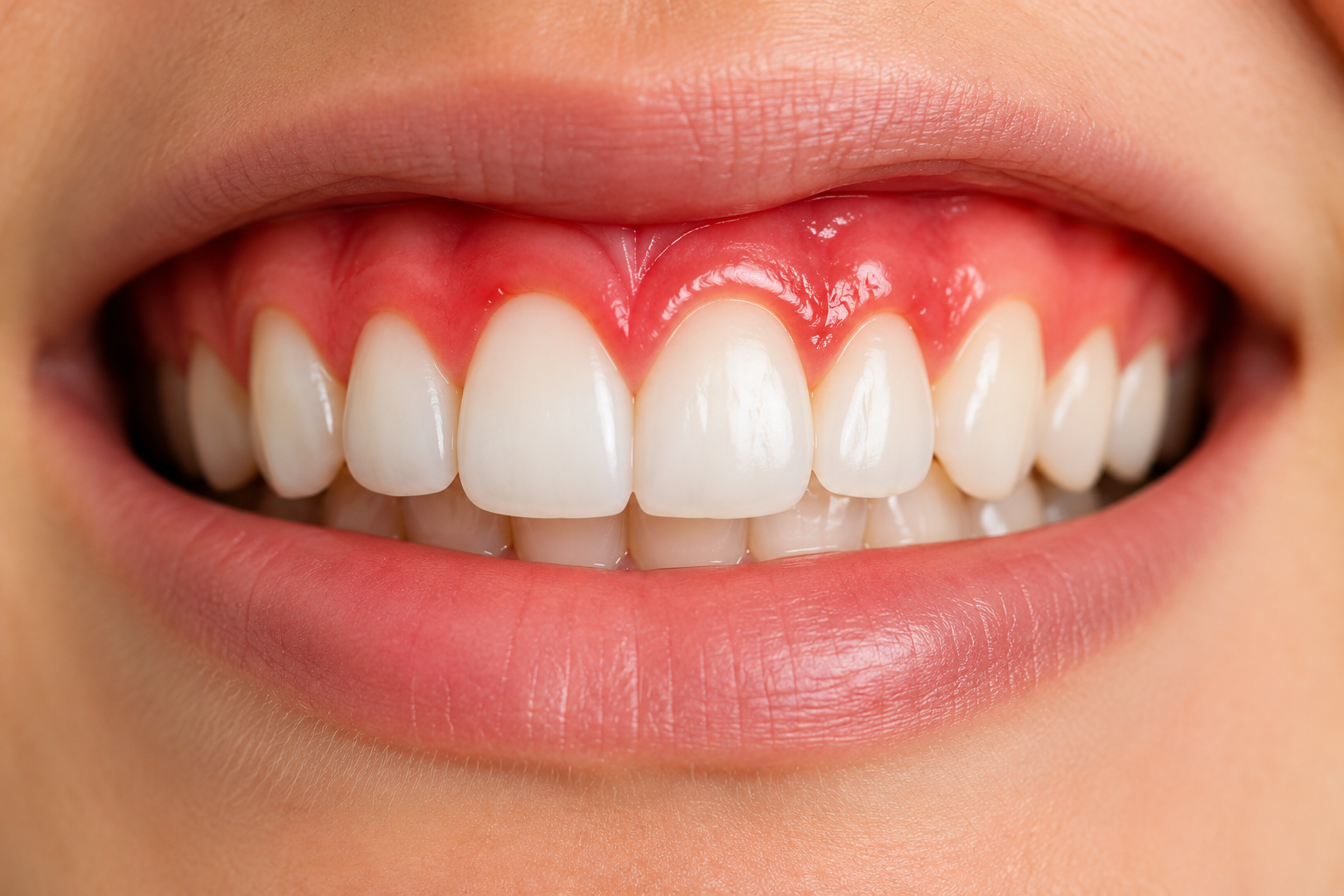
Biofilm that accumulates along and beneath the gumline can also irritate and inflame the gums. You may notice redness, tenderness or bleeding when brushing or flossing. These can be early signs of gingivitis, the first stage of gum disease.
If plaque remains on the teeth long enough, it can harden into tartar, or calculus. Unlike soft plaque, tartar cannot be removed with regular brushing and flossing and requires professional dental cleaning.
How Can You Keep Biofilm Under Control?
The good news is that dental biofilm can be managed with consistent oral hygiene and regular professional dental care.
Brush thoroughly twice a day with fluoride toothpaste, paying special attention to the gumline and hard-to-reach areas. Floss or use another interdental cleaner daily to remove buildup between teeth where a toothbrush may not reach. Regular dental cleanings are equally important because your dental team can remove hardened deposits and identify areas where biofilm tends to accumulate.
Your hygienist can also help you improve your home-care routine by recommending techniques or products based on your individual needs.
A Healthier Mouth Starts with Prevention
You don’t have to see or feel a problem for biofilm to be affecting your oral health. That’s why preventive care matters.
At River’s Bend Family Dentistry, Dr. Paola Eagles and our dental team help patients throughout Chester and the surrounding communities stay ahead of dental problems through regular exams, professional cleanings and personalized preventive care.
Keeping biofilm under control may sound like a small thing, but it can make a big difference in protecting your teeth, gums and smile for years to come.