Why Are My Teeth Sensitive to Cold?
Your mouth may be trying to get your attention.
A sip of ice water or a bite of ice cream should not make you wince. Yet “Why are my teeth sensitive to cold?” is one of the most common dental-health questions people ask online. The discomfort may last only a few seconds, but it is still your mouth’s way of telling you that something deserves attention.
What causes sensitive teeth?
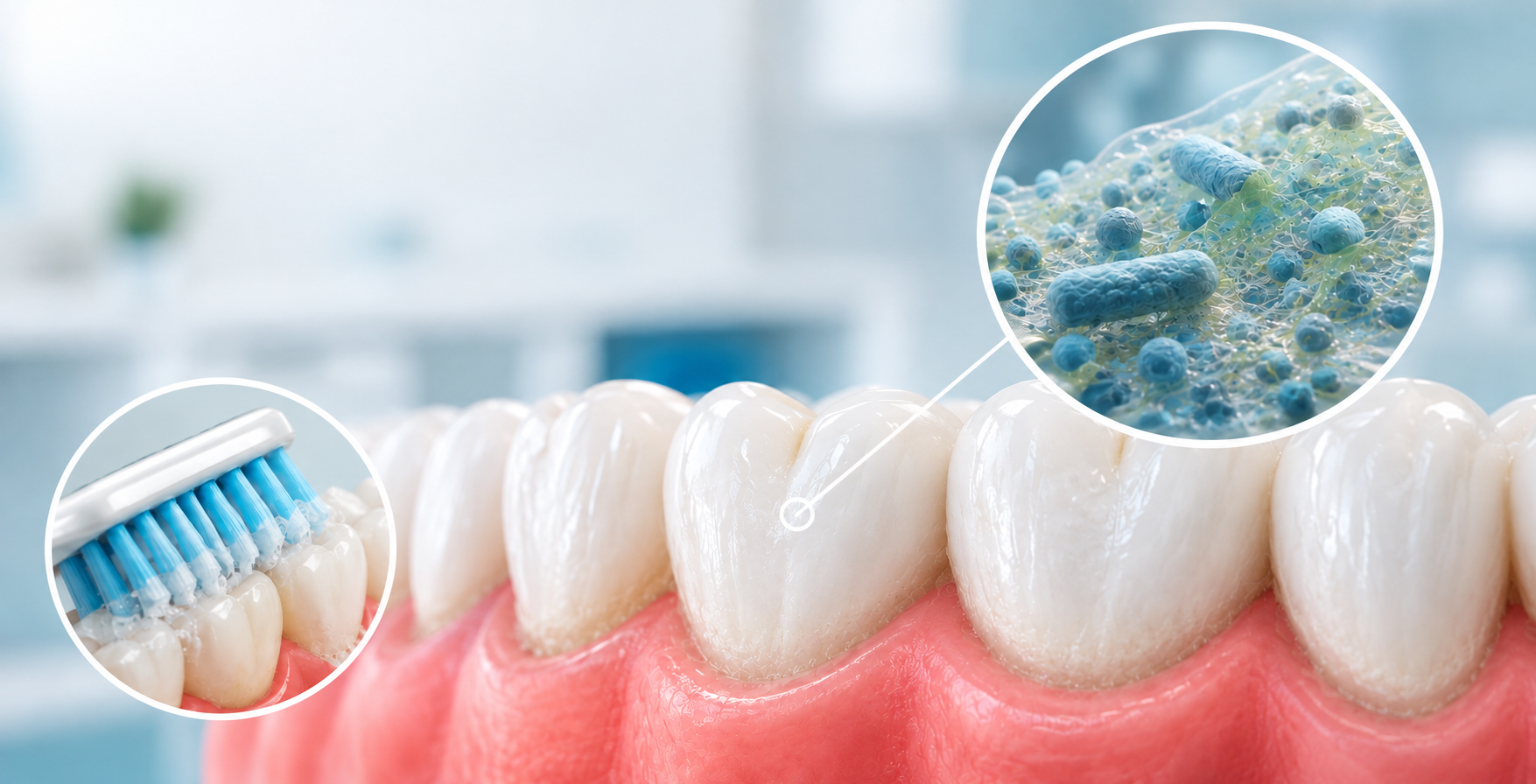
A healthy tooth has a protective outer layer of enamel above the gumline. Beneath it is dentin, a more porous layer connected to the nerve inside the tooth. When enamel becomes worn or a tooth’s root is exposed, heat, cold, sweets and even brushing can reach the dentin more easily and trigger a sharp sensation.
Common causes of tooth sensitivity include:
- Brushing too aggressively or using a hard-bristled toothbrush
- Gum recession that exposes part of the tooth’s root
- Worn enamel caused by acidic foods and beverages
- A cavity, loose filling or cracked tooth
- Clenching or grinding that gradually wears down teeth
- Temporary sensitivity following whitening or dental treatment
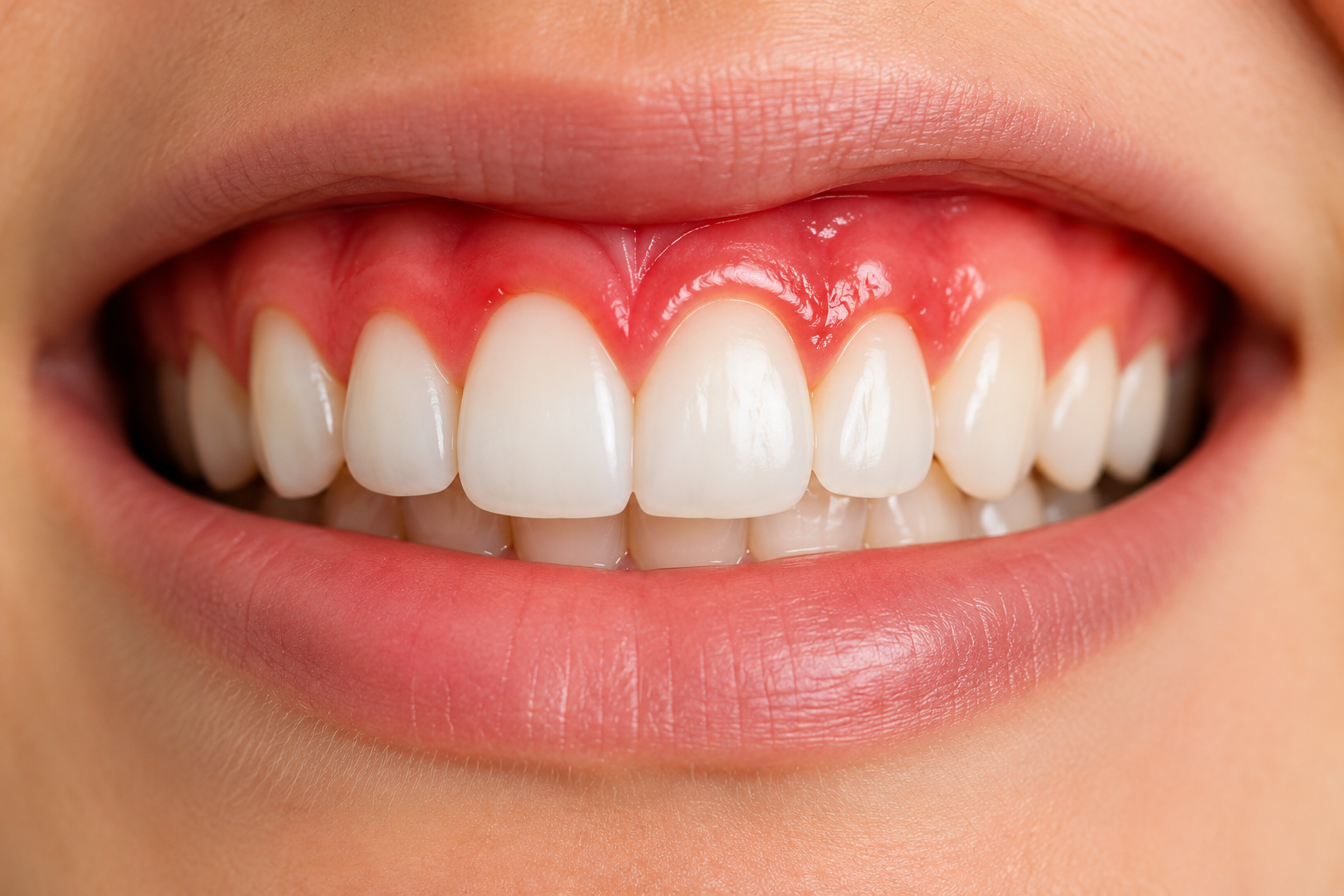
- Gum disease or inflammation around the tooth
Can sensitive toothpaste help?
Desensitizing toothpaste may provide relief when sensitivity is caused by exposed dentin. These products contain ingredients that help block sensations from traveling to the tooth’s nerve. However, they usually require consistent use for several days or weeks before you notice improvement.
Brush twice daily with a soft-bristled toothbrush and fluoride toothpaste, using gentle pressure. Avoid brushing immediately after consuming acidic foods or beverages, because acid temporarily softens enamel. Cutting back on frequent sodas, sports drinks, citrus and sour candies may also help protect your teeth.
When should I see a dentist?
Occasional, mild sensitivity is not always an emergency, but recurring or worsening pain should not be ignored. Schedule a dental evaluation if the discomfort affects one particular tooth, continues after the cold item is gone, occurs when you bite, or begins without an obvious trigger. These symptoms may point to decay, a damaged filling, a crack or inflammation inside the tooth.
Seek prompt care for severe pain, facial swelling, fever, or signs of infection.
How is tooth sensitivity treated?
Treatment depends on the cause. Dr. Paola Eagles may recommend professional fluoride, dental bonding, a filling, a crown or treatment for gum recession. If grinding is contributing to enamel wear, a custom nightguard may help protect your teeth. More persistent sensitivity involving the tooth’s nerve may require additional care.
The important thing to remember is that sensitivity is a symptom, not a diagnosis. Covering up the discomfort without determining its source can allow a small concern to become a larger one.
If cold drinks or foods are making you hesitate, River’s Bend Family Dentistry can help identify the cause and recommend the right solution. Contact our Chester, Virginia dental office to schedule an appointment and start enjoying your favorite foods and beverages more comfortably. Early care often simplifies treatment and helps protect your smile over time.